
All Creatures Great and Small #85
Sabah and Kalimatan Border Dispute between 1891-1912
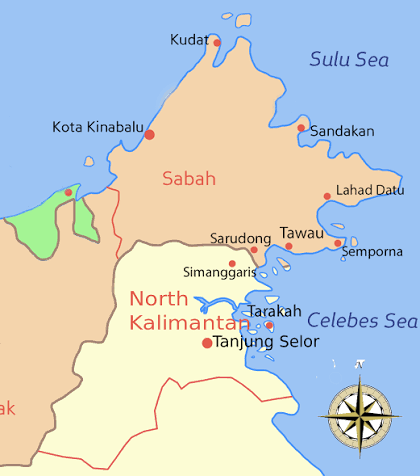
The issue of marking the border involves not only the determination of physical lines but is also influenced by technical, legal, geographical, and colonial-political factors. This study argues that the failure to reconcile the interests of colonial administration with geographical realities and local power structures has contributed to the prolonged confusion over land boundaries. In Malay Asian Journal of Environment, History and Heritage 10(1)-(2026): 51-60
New Species
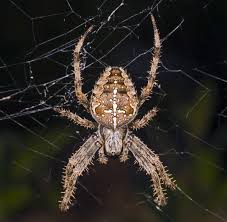
· A new species of orb weaver (Argiope songketica sp. nov. has been made known to the western world from West Kalimatan. The orb weaver is a spider best known for building large webs. DOI: 10.11646/zootaxa.5845.2.5
Heavy Monsoon Rains
What causes the monsoon rains? Big rains move east around the tropics. They arrive over Southeast Asia. When the winds from the north meet the tropical air around Borneo, driven by these big rains, a low-pressure system forms; this is called a cutoff low-pressure system. This usually occurs between October and March and causes heavy rains and major flooding on Borneo. This article reviews 40 years of data about this phenomenon. https://doi.org/10.1007/s44394-026-00027-2
Borneo and Hainan Island Once Connected?
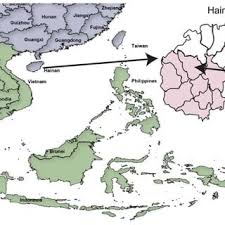
This paper asks, “Can the geological histories of Hainan and Borneo be connected? The answer is yes. From the Palaeozoic (538- 25 million years ago) through the Triassic (251- 201 million years ago), the two islands were part of one huge landmass. The chemistry of the two islands demonstrates this idea. The landmass began to break apart, and the two islands moved to their present positions. https://doi.org/10.1029/2025GC012837Digital Object Identifier (DOI)
Mangrove Forests
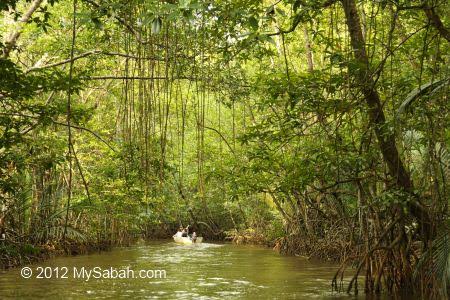
An analysis of satellite images from 1990-2023 of mangrove forests in Sarawak shows that they have become less healthy due to climate change, the construction of roads near the forests, and the clearing of small patches. Mangrove forests are particularly sensitive to changes in rainfall, temperature and sunlight. https://doi.org/10.1016/j.tfp.2026.101326
Role of Rivers in the Kutai Kingdom
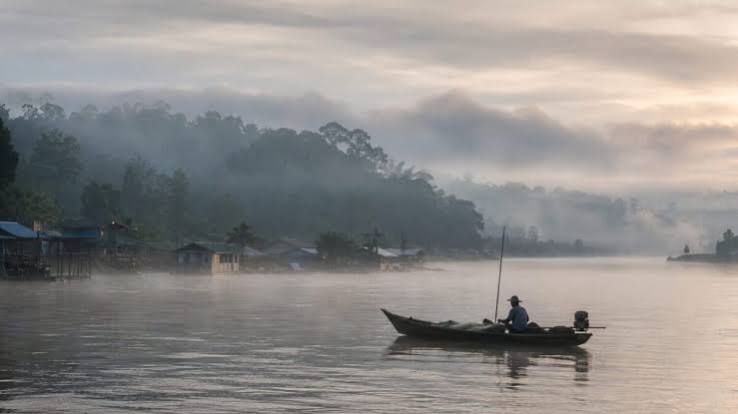
In Malay. This article focuses on the Mahkarm River and the formation of the Kutai Sultanate. The river is long and navigable. People clustered along its riverbanks, especially in the estuaries where the capitals, Martadipura and later Kartanegara, were located. The economy was based on agricultural products, gold and forest products. It united the riverine settlements with those of the hinterland. Jurnal Maritim Asia Tenggara, Jun 2026, Vol.2 (1), hlm. 134-148
New Species
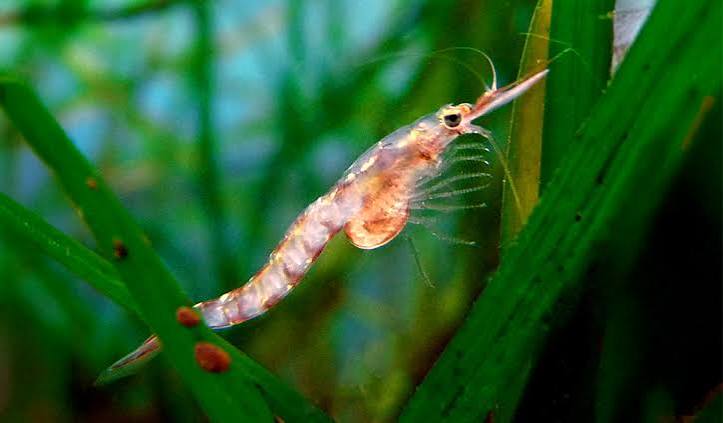
A new species of the cave-dwelling opossum shrimp, described from the marine cave Turtle Tomb on Sipadan Island, Sabah, Malaysia, has been made known to the western world. DOI: 10.3897/zookeys.1284.192633
Panglima Sadam, Hero of Sarawak

Malay. I made an English translation available upon request. A biography of the Malay hero Panglima Sadam is the subject of this paper. He was named a Panglima after he defeated the pirates along the Sarawak River in the mid 1800’s. According to this essay, there were just clusters of Kampongs along the Sarawak River; one cluster, Kampong Panglima Sadam, was renamed Kampong Boyan in 1884 after an influx of people from Boyan. However, my sources state the Kampong was named Kampong Boyan in the 1830’s. Jurnal Antarabangsa Pengajian Kepulauan Melayu International Journal of Melayu Archipelago Studies e-ISSN 2811-390X Jil. 6 Bil. 01 (2026)
New Origin Theory

Although not related to Borneo, I found this interesting. It proposes that human ancestors were semi-aquatic, evolving bipedalism and other traits in water-rich environments, and only later dispersed into Africa. It disputes the current theory of savannah evolution. https://doi.org/10.20935/AcadBiol8310
Maritime to land-based economy in Sabah

Malay. This study examines the shift from a maritime to a land-based economy in North Borneo, highlighting both colonial and regional perspectives. Since the 17th century, the maritime economy has been the main foundation for coastal communities through sea trade, fishing, and diplomatic networks with regional powers such as the Sulu and Brunei Sultanates. However, from the 19th to the early 20th century, there was a shift toward a more land-oriented economy, especially through commercial agriculture, mining, and infrastructure development under the influence of the British North Borneo Chartered Company (BNBCC). Jurnal Maritim Asia Tenggara, Jun 2026, Vol.2 (1), hlm. 75-95
New Species
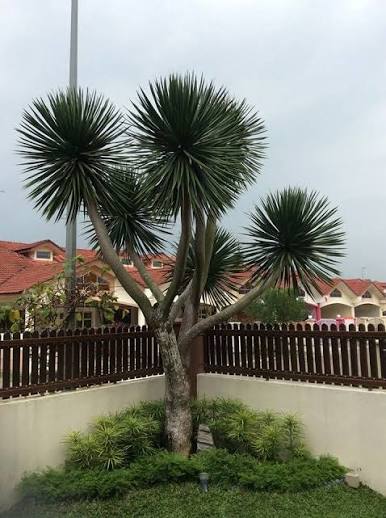
Thirteen new species of the popular Borneo Dragon Tree bring the number of species in Borneo to 16. https://doi.org/10.1002/fedr.70121
Ground Nests of Orangutans

This study analysed the structure, composition, and decay rate of 35 nests built by Bornean Orangutans (Pongo pygmaeus morio) on the ground over six months in a small, degraded forest patch within an oil palm plantation in Lower Kinabatangan, Sabah, Malaysian Borneo. Slightly more than half of the nests displayed the typical aerial nest architecture, while the remainder consisted simply of ferns, leaves, and grass. These basic structures likely served as temporary daytime resting spots rather than overnight shelters. Asian Primates Journal 12(1), 2026
Crabs Eating Frogs
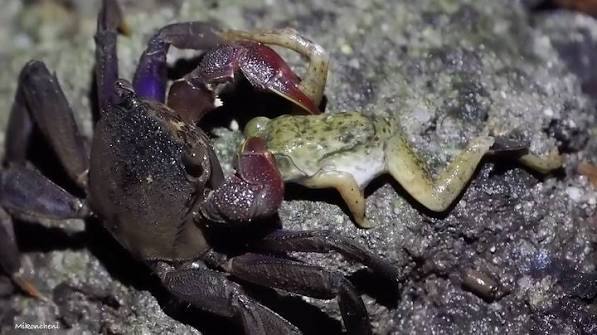
We present a first record of feeding by the freshwater crab species, Parathelphusa pulcherrima, on the frog species Hylarana nicobarien sis (Ranidae) from Sabah (Borneo, Malaysia) together with a comprehensive review of crab predation on amphibians. DOI 10.3897/herpetozoa.39.e176733
New Species

This study describes a new jewel beetle species from Sarawak, Malaysia, in northwestern Borneo, Habroloma (Malobroha) sarawakense Tamadera, sp. nov., representing the first species of the subgenus Malobroha reported from Southeast Asia. 10.11646/zootaxa.5849.3.1
Wasps
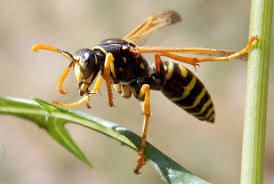
Sixteen species of wasps are recorded from Brunei in a study by Sapienza University. DOI: 10.13133/2284-4880/1994
Islands
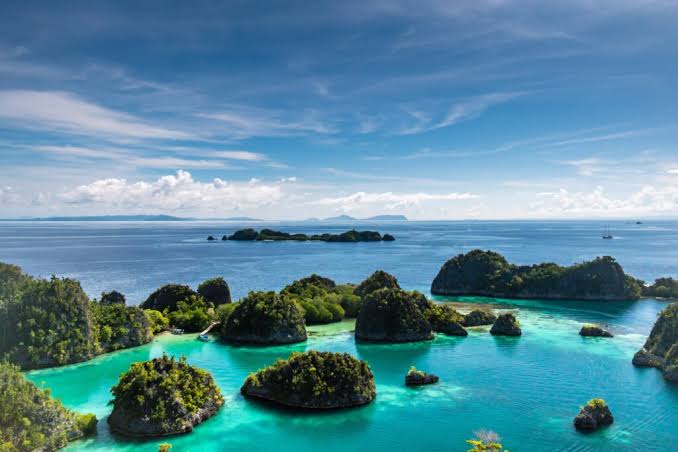
Seven Indonesian islands, including Borneo, were studied to assess how much forest each island has, whether the forest has been cut down in recent years, how many bird species there are, and which species are evolutionarily important. For example, among sparrows and hornbills, the hornbills would be more important in evolution. The results were that stable long-term forests were the best places for unique bird species. Journal of Biogeography, 2026; 53:e70300 https://doi.org/10.1111/jbi.70300
Shipwrecks
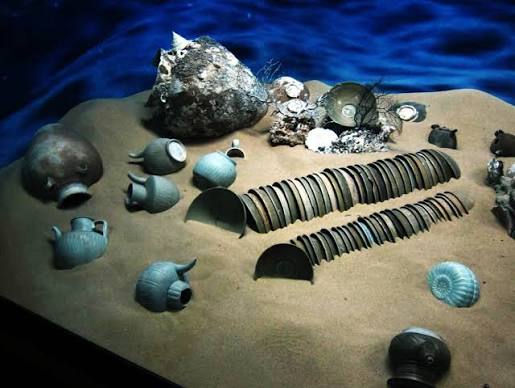
The ceramic contents of two shipwrecks, the Tanjung Simpang Mengayau wreck, which sank sometime between 960-1127, the early Song Dynasty, which went down off of Sabah and the Sungai Limu Manis site off of Brunei, with artefacts dating from 960-1368, have been compared. The striking similarity in bowl forms and decorative “chi” inscriptions (the mark on the base) indicates a shared supply source, likely from kilns in Guangdong or Fujian. Jurnal Maritim Asia Tenggara, Jun 2026, Vol.2 (1), hlm. 149-154 https://jurcon.ums.edu.my/ojums/index.php/jmat
New Species
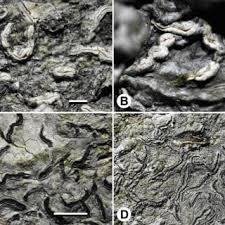
Graphidaceae is a family of lichen-forming fungi with over 2,300 species found. Now eight more species have been discovered in Sabah. Most of the new species have been found in old-growth forests. DOI: https://doi.org/10.35535/pfsyst-2026-0015
New Species
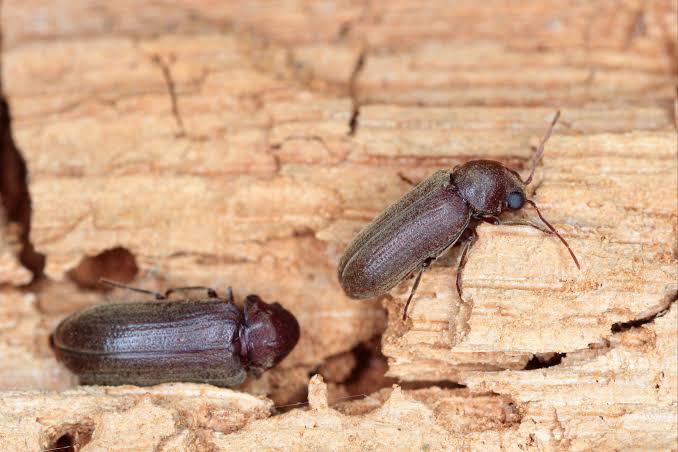
Three new species of the wood-boring beetle Wroughtonia Cameron (Hymenoptera: Braconidae: Helconinae) have been described from Brunei. 10.3897/zookeys.1287.203269
Coral Reefs
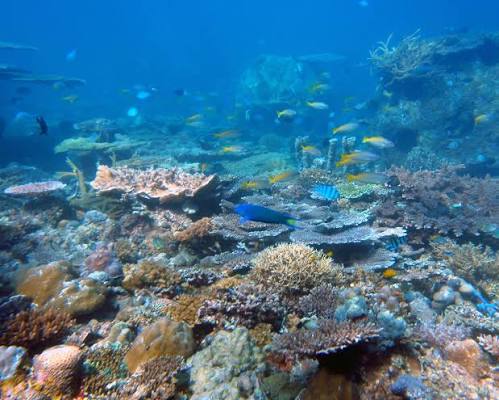
The coral reefs of Darvel Bay of Northeast Borneo show a live coral cover of 52.4%, with offshore reefs exhibiting a higher number. The 52% number means the reefs are healthy. https://doi.org/10.1007/s41208-026-01200-6
Tree Species Diversity at Bau, Sarawak
An effort was made to count the number of trees, assess soil quality, and determine the relationship between soil, tree species, and elevation on Teramuo Hill in Bau. As elevation increased, the number of species also increased until a midpoint was reached, after which the number of species decreased. The soil was clay-rich at lower levels, becoming more sandy the higher up you went. Soil moisture declined the higher up the hill you went. Elevation and soil moisture hurt species diversity. https://doi.org/10.1007/s42965-026-00432-0
Mud Volcanos
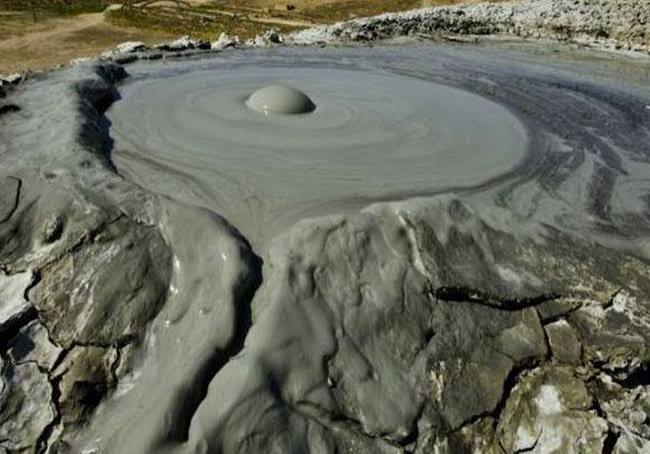
Seven undersea mud volcanoes have been identified off of Sarawak. The volcanoes have undergone multiple eruptions. Understanding these eruptions may lead to the discovery of deeper oil and gas deposits. DOI: https://doi.org/10.3997/2214-4609.202632032
Compiled by Tom McLaughlin for BorneoHistory.net