
Current Research from Borneo #88: All Creatures Great and Small
Anting
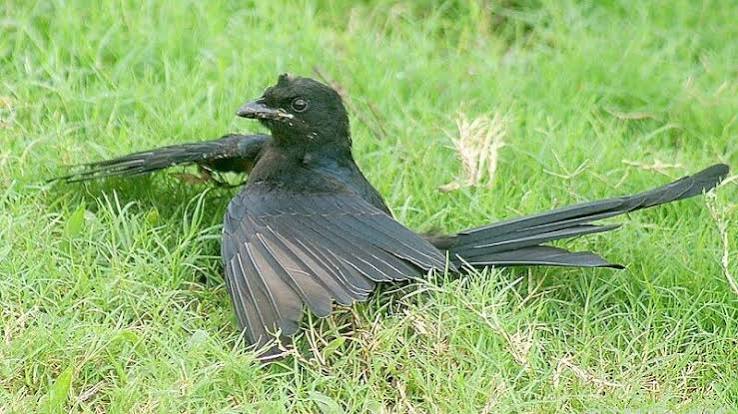
Anting is a bird behaviour in which birds allow ants to crawl through their feathers or deliberately rub ants onto themselves. This behaviour was observed in the Van Haslet Sunbird in Sibu last April. Malaysian Bird Report volume 3 September 2026
Flat Headed Cat
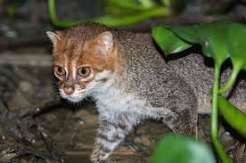
The Flat-headed cat is the least detected and most threatened cat in Southeast Asia. It is highly adapted to a watery lifestyle, being an effective swimmer and a predator on fish and slippery amphibians. Little is known about its home range, population or behaviour. The present study provides one of the first systematic insights into the occurrence and habitat use of the flat- headed cat in Sarawak. https://doi.org/10.1002/ece3.74248
Microplastics and Green Mussels
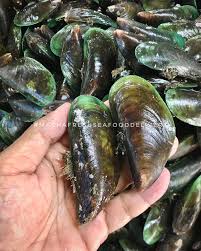
This study found every green mussel in the Santubong River contained plastic particles. Each mussel had 5-6 pieces of plastic. Most of the plastic came in two forms: tiny threads possibly from fishing nets, nylon ropes or clothes. The other form was in small broken pieces. There is a relationship between mussel body weight and the amount of plastic found. DOI: 10.1007/s10661-026-16053-y
Bacteria in the Batang Layar
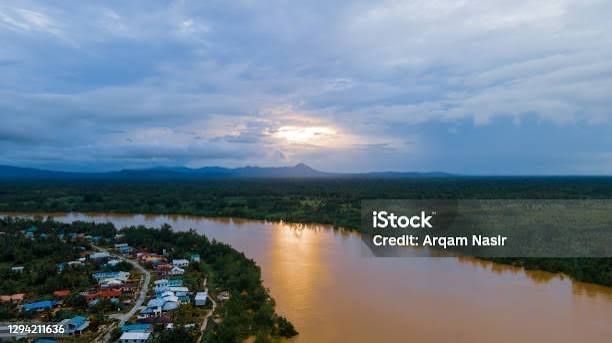
This study found a wide variety of bacteria in the Batang Layar River. This variety differs between the wet and the dry seasons. Testing the river for only one season does not prove that human waste is entering the river. DOI: https://doi.org/10.21203/rs.3.rs-10768139/v1
Traditional Sarawak Medicine

This paper mainly enumerates the types of herbs and traditional plants still used and accepted in making pre-packed ayek periok (herbal tea) for consumption by Malay women in confinement after childbirth in Sarawak. Consuming ayek periok is traditionally thought to be one of the key steps in avoiding the incidence of postpartum depression. https://doi.org/10.24191/ijsms.v11i2.24255
Blue Legged Tarantula from Sarawak
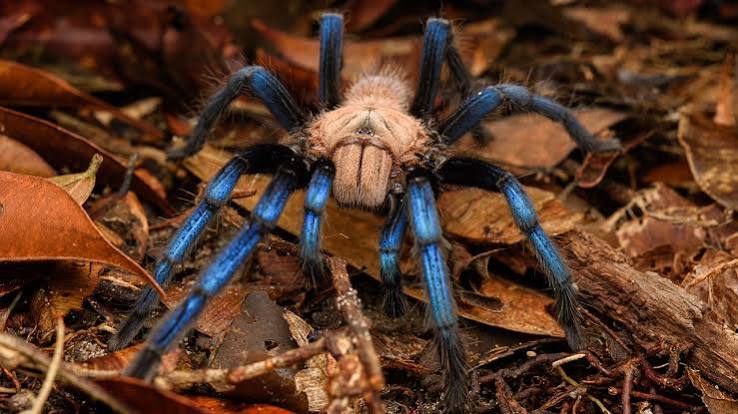
The Blue-legged Tarantula (Birupes simoroxigorum) is known from the lowland rainforest of Sarawak, where it burrows into the forest floor. Both male and female species are about 45 mm in length. The adult female has iridescent blue legs.
Winter Monsoon
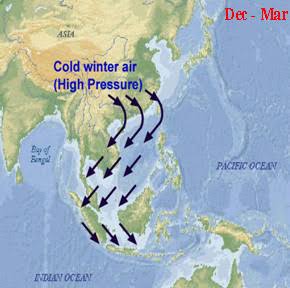
The winter monsoon begins when the winds shift from the southwest to the northeast. The northeasterly winds dominate the circulation. The shift from the summer monsoon and its southwesterly winds to the northeast usually takes place during September and October. This shift is caused by storm clouds moving from the Philippines to Borneo. This movement happens because, during the Northern Hemisphere’s autumn, the Sun’s strongest solar energy gradually shifts southward. This change in solar energy causes the area of heavy rain and thunderstorms to move south as well. DOI: https://doi.org/10.21203/rs.3.rs-11299402/v1
Fish Farming on the Santubong River
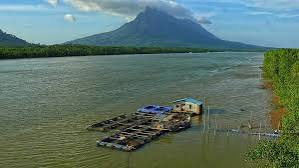
A study was conducted to determine whether there were any differences in areas where fish farming in cages affected the number of animals living in the Santubong Riverbed during both the summer and winter monsoons. There was no difference between areas with fish cages and those without. doi: 10.13057/biodiv/d270917
New Species
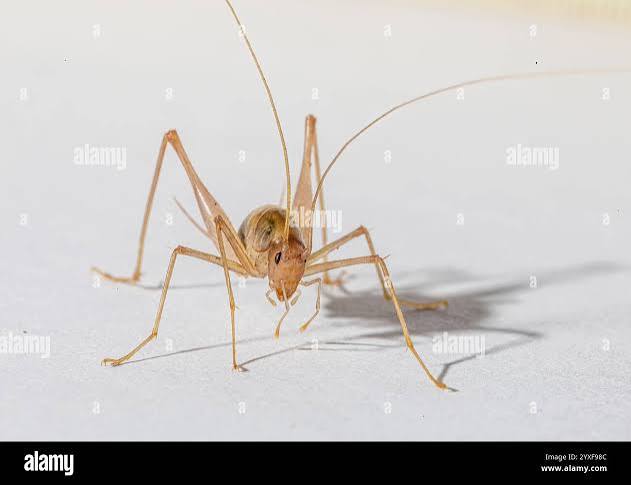
Three new species of cave-dwelling crickets have been described from Sabah. DOI: 10.3897/zookeys.1296.213690
Proboscis Monkeys
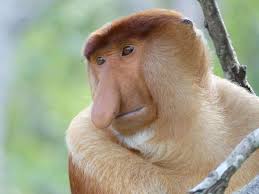
There are three groups of Proboscis monkeys on Borneo: haplogroup A found in north Borneo, haplogroup B found in north and east Kalimantan and Haplogroup C found in the Berau region of Kalimantan. This study shows that genetic differences between these groups depend on rivers and coastal habitats rather than, say, a straight line between these groups. doi: 10.1002/ece3.74593
Borneo Rhinoceros
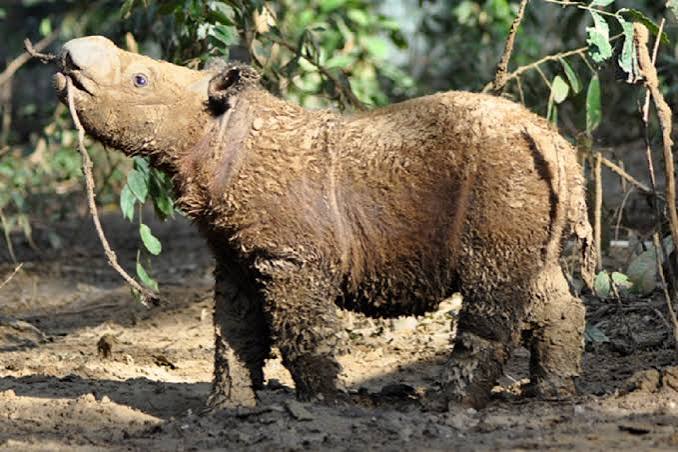
The Bornean rhino (D. s. harrissoni) is one of three formally recognised subspecies of the Sumatran rhino. The reasons for its extinction(although there may be a few left in Kalimantan) include the loss of land mass at the end of the Holocene era, the replacement of grasslands with forests, the corresponding decline of rhino plants, reduction of rhino density, long gestation period, demand from China for rhino hides for use as armour, demand for the horn in Chinese medicine, widespread hunting of rhinos as a sport and failure of governments to recognise the problem. Pachyderm No. January 2026—December 2026
New Species
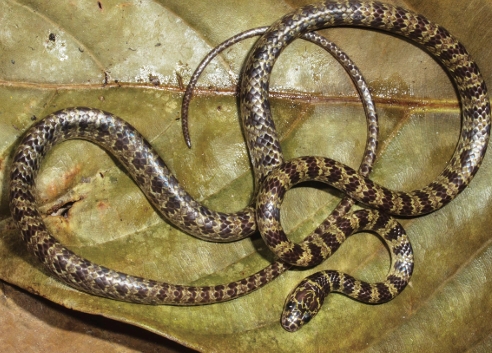
A new wolf snake was discovered in Salamandra Gunrung Penrissen, a mountainous area near the Indonesian border. To determine whether it was a new species, researchers examined its number and arrangement of scales, head shape, scale arrangement around the eyes, colour patterns, markings, and, of course, the DNA (Salamandra, volume 62, issue 4, 30 October 2026).
The Premier of Sarawak Abang J
A 21-page article on the history of the Premier’s rule from 2017-2024 is available, but in Malay. https://doi.org/10.37134/perspektif.vol18.2.7.2026
Forests in Borneo
Forests in Borneo that have been occupied for a long period of time exhibit a particular mixture of characteristics. They differ from untouched forests, forests regrowing after being cleared, and forests used in agriculture. This is a PhD dissertation from the University of Zurich: https://doi.org/10.5167/uzh-437050.
Alfred Wallace
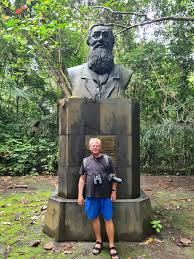
Alfred Russel Wallace’s 1858 Theory of Natural Selection: Reassessing the Evidence for the Place of Discovery, the Source of Inspiration, and the Date of His Essay’s Dispatch to Darwin, by George Beccaloni, was recently published in November 2026. The essay describes where the theory of natural selection dawned on Alfred Wallace, what inspired him (i.e., whether it was Malthus and his “geometrical ratio” or tiger beetles), and how the missive travelled to Darwin. The article is available from the author by request at g.beccaloni@gmail.com.
Birds
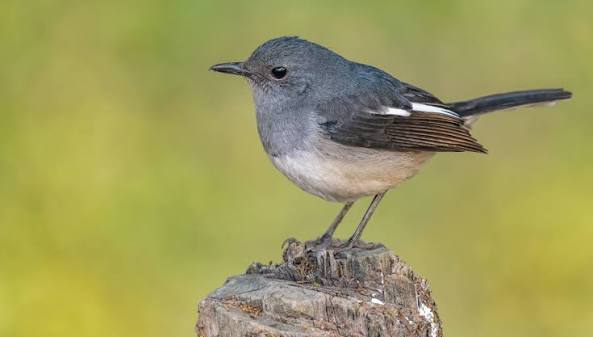
Two different breeds of birds separated thousands of years ago on Borneo. When they came back together, the Magpie Robins could breed back with the old species they had become separated from. In the case of the Shamas, they couldn’t. They had become separate species. This shows geographical separation does not necessarily lead to a separate species. https://doi.org/10.1111/mec.70444
Plant Evolution
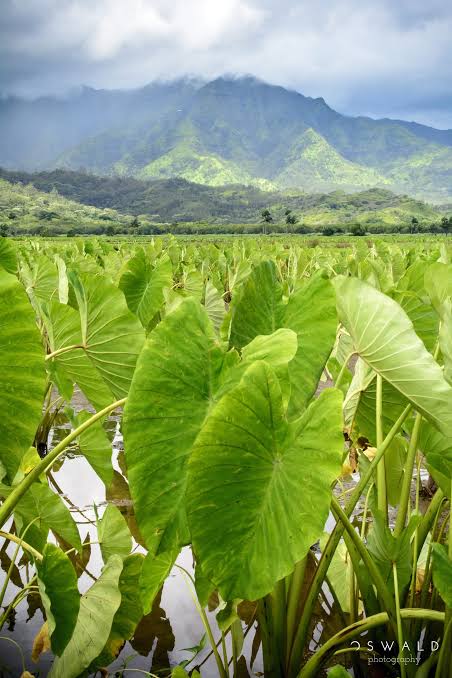
Plants from the Schismatoglottideae (Araceae), which include tropical plants such as elephant ear, taro, and Buce aquarium plant, evolved in Southwest Borneo about 23 million years ago. They evolved outward evenly, like spokes on a wheel, not in spurts. https://doi.org/10.1111/jbi.70424Digital Object Identifier (DOI)
New Books
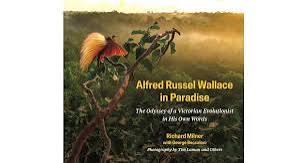
Alfred Russel Wallace in Paradise: The Odyssey of a Victorian Evolutionist in His Own Words by Richard Milner, with George Beccaloni, to be officially published by Princeton University Press on 12 January 2027. This lavishly illustrated, 224-page book tells the story of Wallace’s extraordinary life, travels, and scientific discoveries, largely through his own words, accompanied by a wealth of historical and modern photographs and illustrations.

Making and Unmaking Frontiers in Borneo is a collection of essays about Indonesian Borneo. It includes topics such as violence in the Upper Mahakam region (1885-1910), the history of building roads in Indonesian Borneo, the history of the Sebatik border between Malaysia and Indonesia, and other interesting chapters.
Karsts and Caves of Southeast Asia is a 530-page volume containing about 20 essays on karsts and caves in Southeast Asia. Of particular interest are the chapters on Malaysia and Indonesia. The cost is an astronomical 125 pounds (MR 675) for the print or 112 pounds(MR 605) for the e-book.

Manifold Anthropology: Reordering Relations has a chapter entitled “Turning Tree Crops into Commodities in Rural Indonesia”. The article examines the problems people in the interior of Indonesian Borneo must solve before they can convert cash crops and forest products into commodities and sell them to outsiders. https://doi.org/10.33134/HUP-38
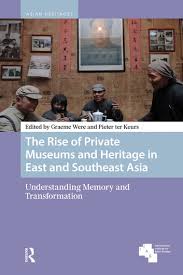
The Rise of Private Museums and Heritage in East and Southeast Asia has a chapter called Curating Patent Objects in the Monsopiad Cultural Village in Sabah, East Malaysia” by Yunci Cai.
The Monsopiad Cultural Village is a living museum located on the Moyong River 16 km from Kuching. The village was opened in 1996 to commemorate the Kadazan Warrior known as Monsopiad. The Village includes a collection of 42 human skulls he captured. The Kadazan people believed that human skulls were potent objects that could protect their families and property, and that they could provide the headhunter with great wealth to attract a bride. This chapter explores how the museum offers a pathway for curating these potent objects for display in the public domain in a culturally appropriate manner for the Kadazan people given their conversion to Islam or Christianity. The chapter can be downloaded at https://www.academia.edu/180946919.
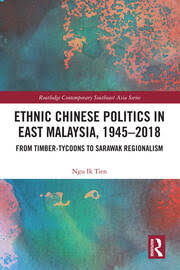
Ethnic Chinese Politics in East Malaysia by Ik Tien Ngu was published in January of this year, but I just found it. The book focuses primarily on the role of Chinese timber tycoons under the leadership of the Sarawak United Peoples’ Party (SUPP). Their influence over local social and political domains enabled them to dominate local society broadly. The e-book is available on Google Play for RM226.00
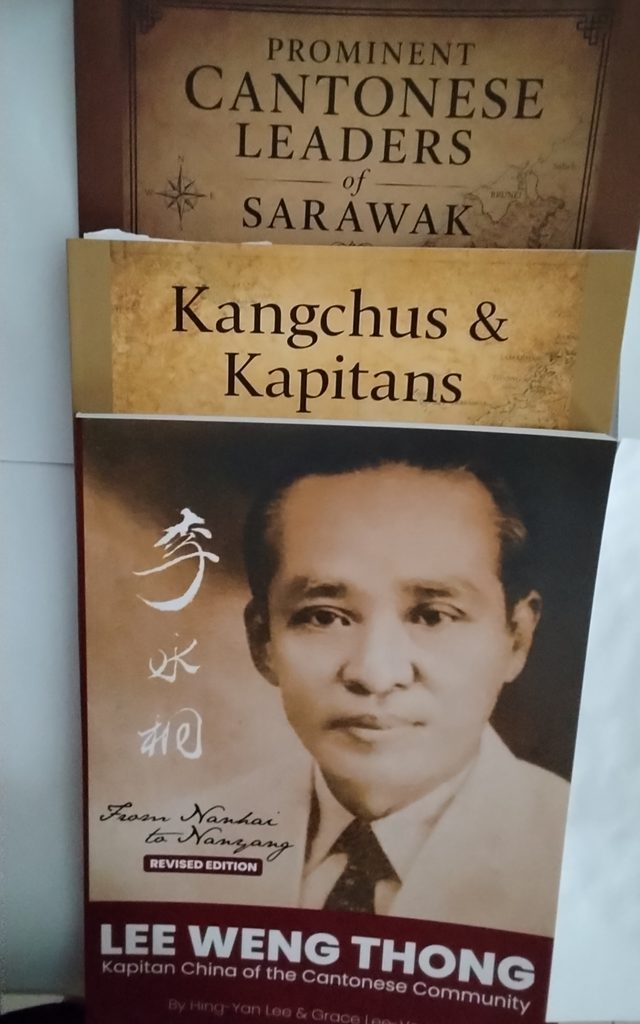
Three books privately published in Singapore by Dr Hing-Yan Lee in 2024,2025 and 2026 are available. Kangchus and Kapitans: Chinese Leadership in Early Sarawak provides a biographical sketch of 20 early (1830 to the early 1950s) Chinese businesspeople in Kuching and Sarawak. The next volume, Prominent Cantoese Leaders of Sarawak, provides blurbs on 18 Cantonese leaders.
The last book was meant to be a family history entitled From Nanhai to Nanyang Lee Weng Thong; however, it should be retitled as a history of Chinese businesses in Sarawak, as it is chock full of information on such topics as early Chinese newspapers and gold mining. It also relates how the Rajah James and Charles Brooke managed the sale of concessions to sell opium, arrack and operate gambling dens. Sections on the Japanese occupation and the collaboration with communists provide a wealth of information. These books may be purchased as a hard copy from:(a) Telang Usan Hotel, Ban Hock Road; (b) Life Book Shop, 3rd Mile Bazaar; (c) Yink Enterprise, Wayang Street in Kuching only. There is no e-book available. The author may be contacted at hingyan.lee@gmail.com
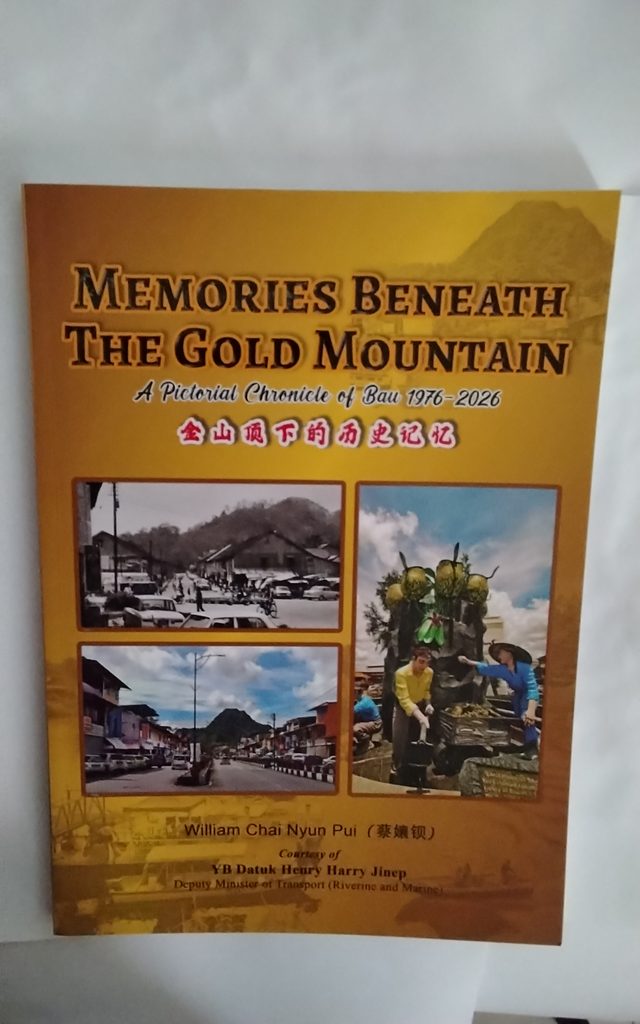
Memories Beneath the Gold Mountain by William Chai Nyun Pui is a book of photographs taken primarily by the author about the Bau area, with newspaper articles providing descriptions. Topics include historical events, festivals, religious beliefs, the history of the kampongs, stories of the caves, and more. To purchase, contact sales@leeming.com.my
Compiled by Tom McLaughlin for BorneoHistory.net