
Current Research from Borneo: Brunei, Sarawak, Sabah and Kalimantan
Gecko
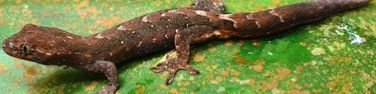
Researchers described a new gecko species from the Crocker Range of North Borneo. 10.11646/zootaxa.5881.3.2
Rafflesia
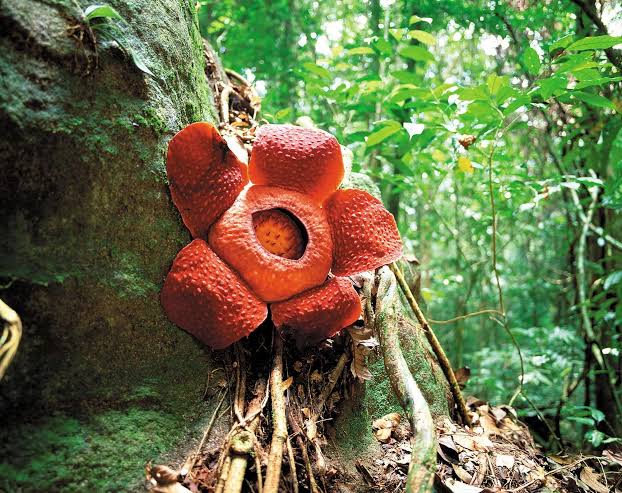
The main pressures on this plant include deforestation and human harvesting. Biological weaknesses include separate male and female flowers, and having more male than female flowers. Ecotourism practices are dangerous reduce floral bud production. reported in a yet to be published book Biodiversity and Conservation of Endemic Medicinal Plants
Murut Oral Tradition + Islamic Law

This study aims to develop a system that preserves indigenous traditions by recognising acceptable local customs and ensuring they align with the overall goals of Islamic law. https://doi.org/10.32332/milrev.v5i2.13295
Lawas Malay
Preliminary findings indicate that Brunei Malay predominates in informal domains such as family and friendship, while Standard Malay and Sarawak Malay dialects are employed in institutional contexts. From an identity perspective, the Malay community in Lawas continues to align itself strongly with a Brunei Malay identity, a factor that contributes to the maintenance of both language and cultural practices. RePEc:bjf:ijriss:v:10:y:2026:i:1:p:2265-2272
Austronesian Migration
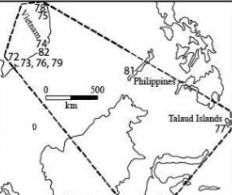
This paper states that the Austronesians left the Philippines/north Borneo 2,000- 2,500 years ago and migrated to Viet Nam. Citing Taiwan jade, pottery, mica and jar burials as evidence, the authors suggest the people moved in small pulses as opposed to a massive wave. Hung Hsiao Chun Sailing into Vietnam REVIEW OF SOCIAL SCIENCES HO CHI MINH CITY Vol. 1 (347)2026
New Species
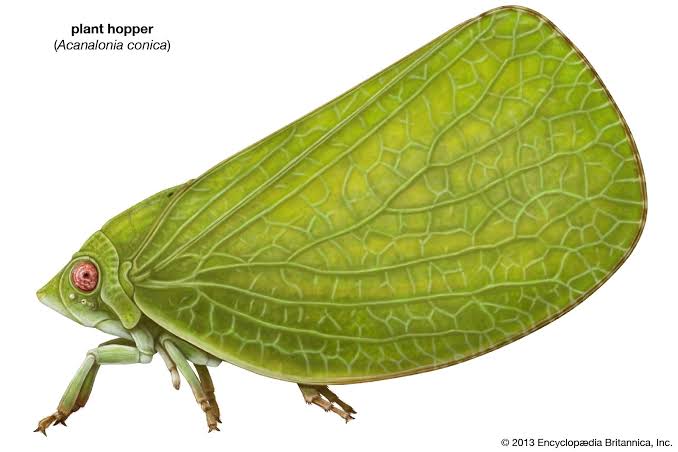
Scientists have identified a new plant hopper from Kumai Village in southeast Borneo . https://doi.org/10.1080/24750263.2026.2710979
New Altitude Record
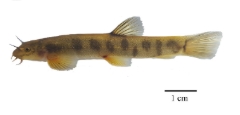
Researchers have recorded a new occurrence of the fish tengkalus (glaniosis) in Sabah’s Crocker Range. Scientists at the Mesilau substation discovered the fish living between 1841- 2252 meters above sea level. DOI: https://doi.org/10.51200/jtbc.v23i.7756
New Book

Sabah’s Rocky Road to Malaysia by Joe Samad is a collection of essays that traces Sabah’s journey from joining Malaysia to the present. Drawing on books, scholarly articles, declassified documents, and historical analyses, these essays examine the unfolding events that have shaped Sabah over the past six decades.RM 38
Kanayatn Dayak Tribe
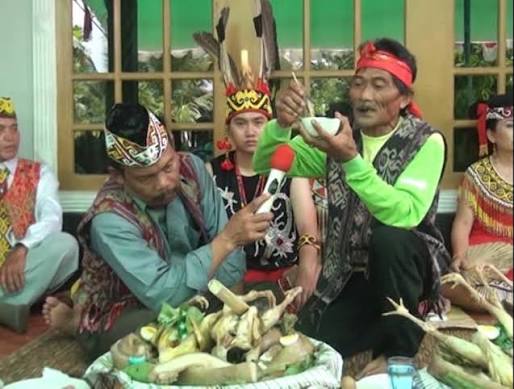
This research examines the Nyangahatn ritual in Dayak Kanayatn culture, in which mantras serve as a means of communication. The Nyangahatn ritual is a series of mantras used to deliver the dead’s spirits. The study explains and translates these rituals to escort the dead. The study finds that the Dayak Kanayatn community is a dynamic society that maintains beliefs in supernatural powers and ancestral spirits alongside formally recognised religious beliefs. These supernatural beliefs are reflected in the community’s relationship with various objects and elements of nature, such as daggers, statues, mountains, and large trees. DOI: 10.38114/joeel.v7i2.285
New Species

A new species of what is commonly called the ruby bonnet (cruentomycena) has been made known to science from the lowland forests of Sabah, north Borneo. To date only four species have been made known worldwide. https://doi.org/10.1134/S1062359026601588
New Species
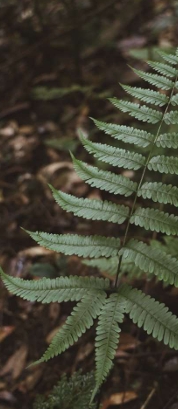
A new species of fern (Pteris caudatipinna) has been discovered in Sabah. The family has over 380 species. The new species is found only on Sabah while other members of the plant are restricted to the Philipines DOI: 10.6165/tai.2026.71.701
Tropical Asia
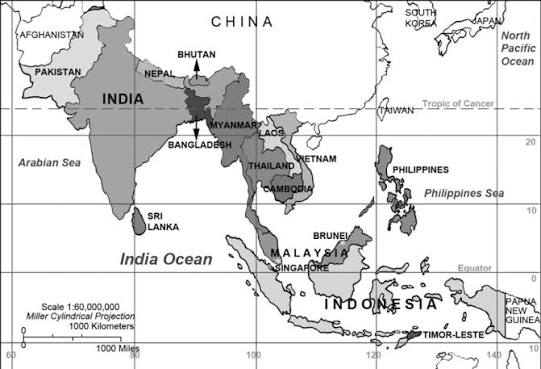
Tropical Asia harbors 25% of the global diversity while being much smaller in size than other tropical places probably because of its island nature. Rates of species discovery remain high for many land and sea plants and animals. Many tropical asian species remain undescribed desite intense efforts. Hotspots for diversity include South Asia, Indo China, Borneo, Sulawesi and New Guinea. https://doi.org/10.21203/rs.3.rs-11142690/v1
Why Does it take so long to build in Sarawak?
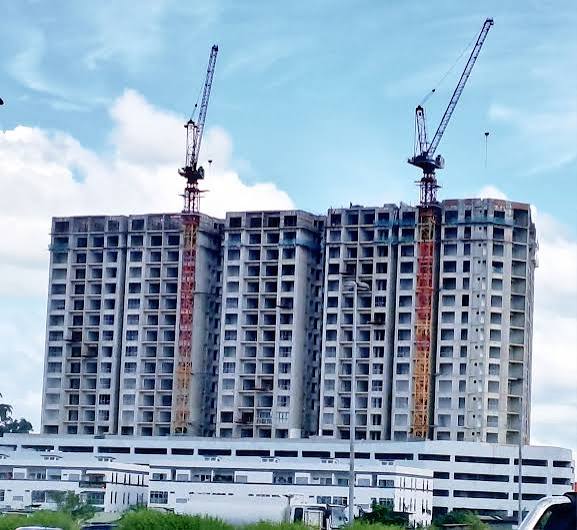
This study suggests labor shortages, increases in material costs and material shortages as the biggest factors.The common causes include the owner changing the plans, delay in payment and poor communication between the parties. Other factors include weather and changes in government, PLANNING MALAYSIA: Journal of the Malaysian Institute of Planners VOLUME 24 ISSUE 5 (2026), Page 600– 624
Sulu vs Malaysia Arbitration
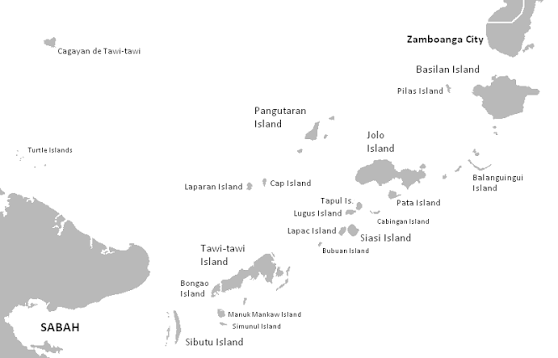
In 2022, an ad hoc sole arbitrator in France ordered Malaysia to pay the heirs of the Sulu Sultanate 14.94 billion US dollars plus 3.5 million in legal fees and 2.35 million in arbitrator fees for property in Sabah taken from Sulu. Malaysia has understandably organised a series of campaigns to condemn the arbitration case, calling it ‘the Sulu Fraud’ and ‘a sophisticated abuse of the arbitral process and international law’. So far, these moves by Malaysia appear to be successful, even though such moves may have been unnecessary if Malaysia had participated in the arbitration and challenged the jurisdiction of the tribunal. The case seems to be drawing to a conclusion. https://doi.org/10.1093/arbint/aiag005
Charles Hose

Charles Hose is a highly regarded for his writings and pictures about Sarawak during the 19th and early 20th centuries. However, his photographic albums have received little attention. This article shows his images from albums collected from four museums, were meant to capture meaning. There are some excellent images which are worth looking at scattered in the manuscript, which is rather detailed, obtuse and boring. https://doi.org/10.1080/03086534.2026.2729369
Green Peace, Indonesian Government and Deforestation
Deforestation in Kalimantan’s forests is an environmental problem that threatens biodiversity, ecosystem balance, and the lives of local and indigenous communities. The high rate of forest loss due to the expansion of oil palm plantations, mining, illegal logging, and infrastructure. This study aims to analyze the role of the Indonesian government and Greenpeace in addressing deforestation in Kalimantan’s forests and evaluate the effectiveness of these efforts. However, the effectiveness of these two actors remains suboptimal due to weak law enforcement, overlapping regulations, and a lack of consolidation and coordination between the government and Greenpeace. DOI https://doi.org/10.61166/community.v5i1.345
Gutta Percha
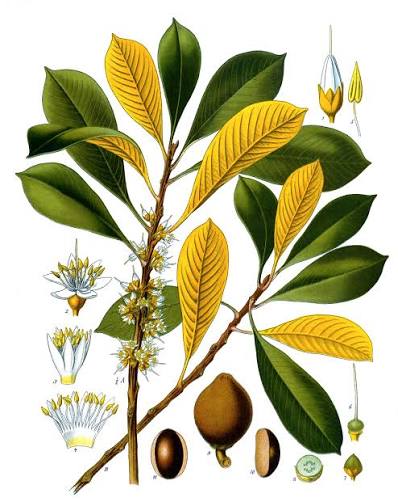
Harvested primarily from rainforest trees across Southeast Asia, particularly Borneo, gutta-percha became indispensable to submarine telegraphy in the nineteenth century. Freshly cut, gutta-percha emerges as a thick white latex that rapidly coagulates on exposure to air before being boiled, moulded into blocks, and transported through regional trading networks. Before synthetic insulation, underwater communication depended upon it; without gutta-percha, long-distance trans mission failed. Telegraph cables crossing oceans required protection from saltwater. This article follows gutta-percha from the rain forests of North Borneo to the metropolitan infrastructures of imperial communication. Merry, Caitlyn Lee-Mei-Jin. “Beneath the Wire: Indigenous Worlds and the Making of Empire.” Red Horizons, no. 1 (Autumn 2026): 35–44.
Rice
Malaysia has a rice self-sufficiency rate of 53%, meaning it must import 47% more rice from countries such as India, Viet Nam, Pakistan, and Thailand. Malaysia has made concerted efforts to increase self-sufficiency to 65%, but this figure remains elusive. The Malaysian government has provided a 25% subsidy to Malaysian farmers to make farming more profitable and increase local rice production. Predictions for the next five years indicate that rice supply, and therefore prices, will remain stable. Rahim, H., Sabri, N. S. M., & Hashim, F. F. (2025). Malaysia’s paddy sector and strategic stockpiling initiatives. In Exploring an ASEAN Local Resource-Based Food Reserves Mechanism: Strengthening Regional Food Security and Crisis Resilience (Chapter 6, pp. 92–110). Economic Research Institute for ASEAN and East Asia (ERIA).
Freshwater Catfish
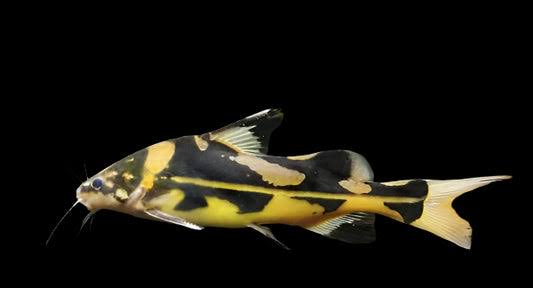
This research shows that these catfish came from one lineage and diverged into two separate species about 20.52 million years ago. At that time, Borneo was one large landmass. https://doi.org/10.1007/s10709-026-00297-0
Forestry History
Across the nineteenth century, forest management in the Dutch East Indies had suffered from a chronic lack of resources and trained staff, leaving exploitation largely to the hands of private speculators. An 1897 law brought the forestry department under direct management. To help carry out the reorganisation, ten German experts were later brought to the East Indies in 1909–10 to guide the process. For the Dutch, hiring foreign experts promised a shortcut to kickstarting exploitation of the archipelago’s untold natural riches. This long article describes the evolution of Dutch forestry from 1897 to World War II. doi:10.1017/S1740022826100746
Compiled by Tom McLaughlin for BorneoHistory.net