
New Species
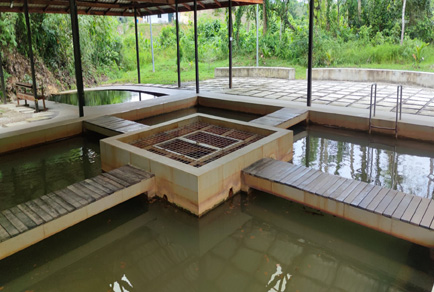
A novel cyanobacterium, Ammassolinea thermalis sp. nov., was isolated from a hot spring pool in Sarawak, Malaysia. DOI: 10.11646/phytotaxa.763.1.4
New Species
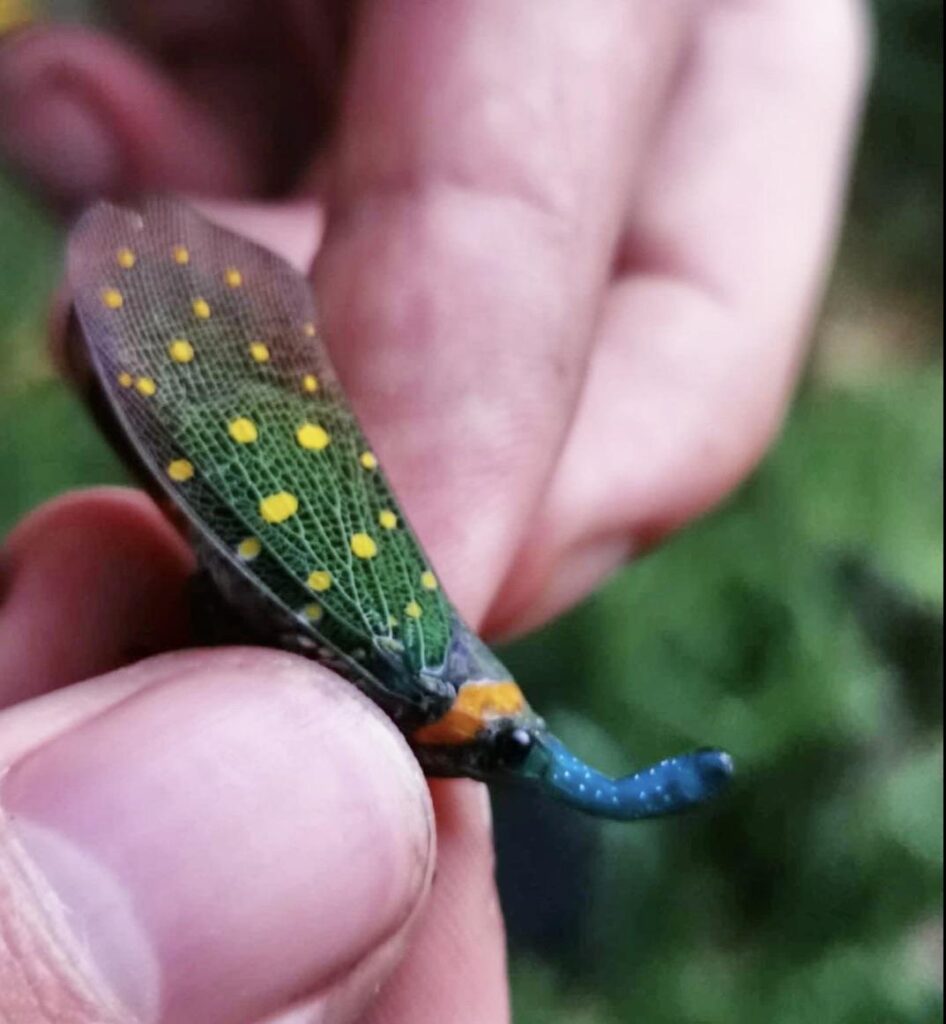
A new genus has been erected to accommodate two new species of Plant Hoppers discovered by canopy fogging in Sabah. https://doi.org/10.5852/ejt.2026.1069.3294
One cell critter on a mite attached to a pitcher plant
A one-celled organism with a cilium that lives on a mite that inhabits a pitcher plant has been reported. It is the first finding of such an association. The study site was Paya Maga Lawas, Sarawak. | doi:10.21685/1680-0826-2026-20-2-5
Magpie Robins and Shamas
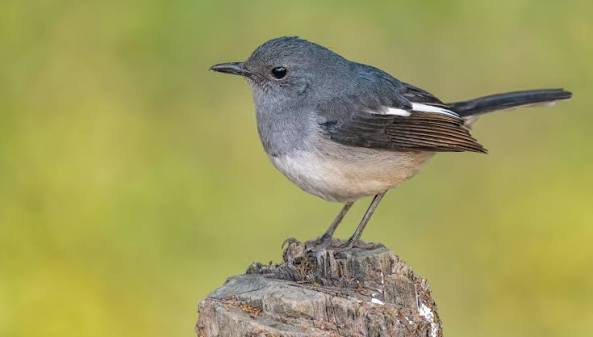
Two groups of birds, Magpie Robins and the Shamas, have been separated over Borneo (Sundaland) and came back in contact again. They can mix and share genes or split apart again. For magpie robins their DNA showed a lot of mixing between the two groups while the Shamas showed they stay clearly separated after contact. The Shamas had darker coloration and different songs than the magpie robins. doi: 10.1111/mec.70444.
Clouded Leopard
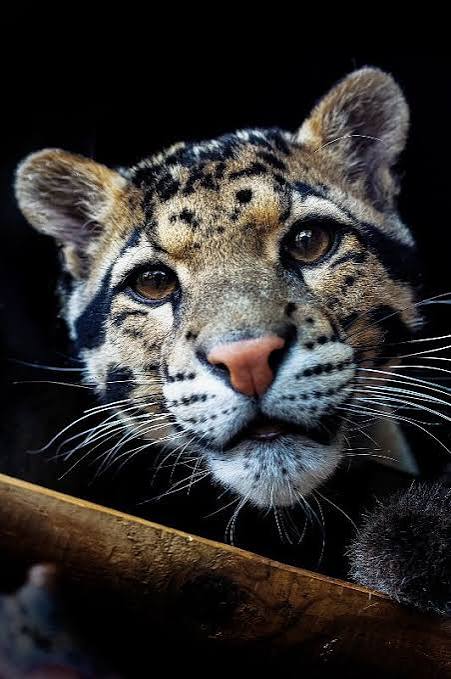
This study showed that two adult males used 41 km of forest for their home range. Their ranges hardly overlapped.The females had a much smaller range that overlapped somewhat with the males. Using camera traps, pictures showed the animals were alone 85% of the time. A ridgeline in a flat floodplain served as a scent-marking spot for the group. https://doi.org/10.1186/s40317-026-00474-0
New Book
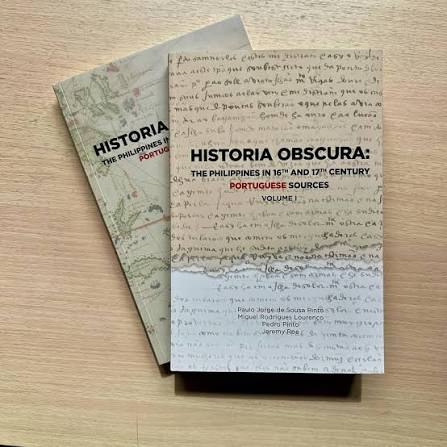
This two volume set contains translations into English of 16th and 17th Portugese documents about the Phillipnes. Pablo Jorge de Sousa Pinto et al. Historia obscura. The Philippines in 16th and 17th Century Portuguese Sources.
Tomistoma
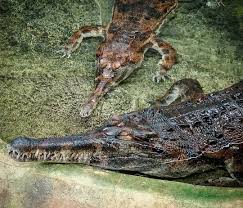
The density of Tomistoma in Tanjung Putting National Park, central Borneo, from 2018 to 2023. The total number of individuals was 235, with 53% at the Camp Leaky Complex. There was slight decline in the number of individuals. Most animals are grouped together in age specific clusters. Most individuals were encountered on the riverbank, and over half the individuals were juveniles. Tomistoma schlegelii (Müller, 1838) Density from 2018 to 2023 in Sekonyer River, Tanjung Puting National Park
New Species
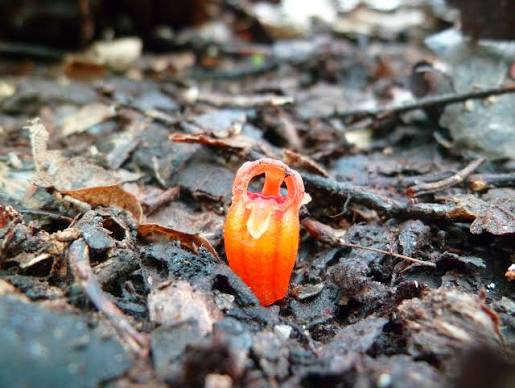
Thismas bifida,a very rare plant which was discovered in 1963 and then again in 2026, has been made known to science. The plant cannot photosynthesise and must get its nutrients from fungi in the soil. Found only in Sarawak and Brunei. DOI: 10.11646/phytotaxa.763.3.3
New Species
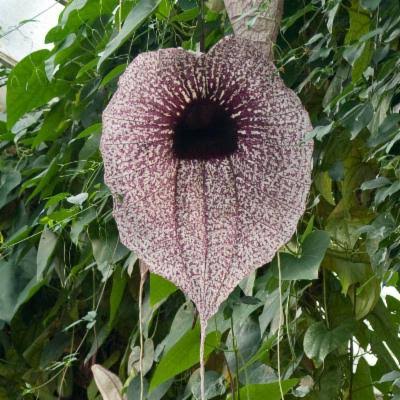
Aristolochia transtillifera is a rare tropical climbing vine in the birthwort family, known for its pouch-shaped flowers has a new species. It is found in the Borneo rainforests. Kew Bulletin https://doi.org/10.1007/s12225-025-10361-1
New Species
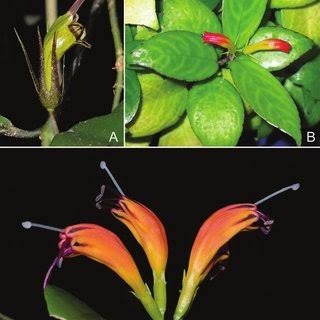
Aeschynanthus luteoflorus (Gesneriaceae), a new bright green yellowish lipstick plant because of its tubular flowers, has been made known to science from Kalimantan. doi. 10.6165/tai.2026.71.477
New Species
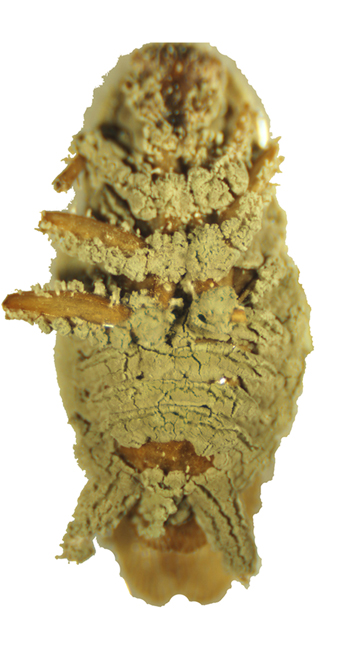
Metarhizium Sorokin (Clavicipitaceae, Hypocreales) is a widely studied insect-killing fungus. Currently, Metarhizium has expanded to 92 species worldwide. DOI: 10.11646/phytotaxa.763.3.2
Roughneck Monitor
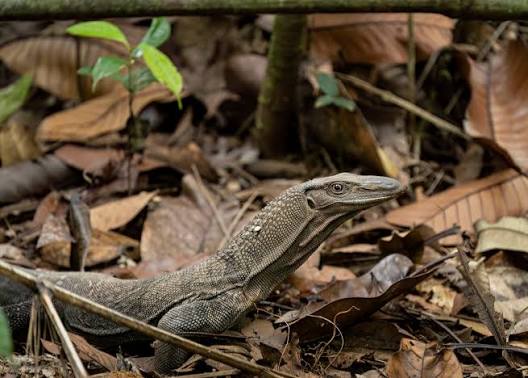
The roughneck monitor is a lizard that climbs up and trees in the rainforest. It has adapted to its lifestyle by climbing up with their bodies pressed against the bark as opposed to lifting them up.. Herpetology Notes 19: 435–439, published on 25 June 2026
Caspian Tern
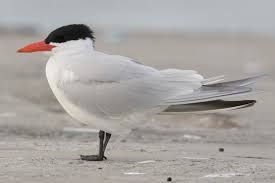
The Caspian Tern Hydroprogne caspia is a cosmopolitan migratory waterbird and an uncommon non-breeding visitor in Indonesia. Although previously recorded from Sabah, Sarawak, and Brunei Darussalam, the species had not been documented from Indonesian Borneo. Here, we report the first confirmed record of H. caspia in Kalimantan, Indonesia. On 2 February 2026, two individuals were observed and photographed on the intertidal mudflats of Kempeng Beach, Central Kalimantan, during the Asian Waterbird Census. Bio Palembanica 3(1): 48-54 (2026)
Dayak Food Taboo
An article on Dayak food taboos has been recently published by Pasukan Merah Dayak, an organization of over 350,000 members dedicate to the preservation of Dayak customs. Mutih is practised on Mondays and Thursdays, especially before Gawai and involves consuming white rice, salt and water from 6a.m. to 6 p.m. Pantang Minyak usually lasts for seven days and includes the avoidance of oil. This consists of boiled fish because of the oil, and one cannot mix anchovies and vegetables for the same reason. Alcohol and drugs are frowned upon because it disturbs ones relationship with the ancestors. https://doi.org/10.47655/dialog.v49i1.1291
Bajau History

This study looks at the Bajau community under the rule of the Brunei Sultanate from 1841 to 1900. Findings show the Bajau were not just sailors and traders but contributed to the stability of the Brunei government . In Malay. https://doi.org/10.22452/
Pua Kumbu
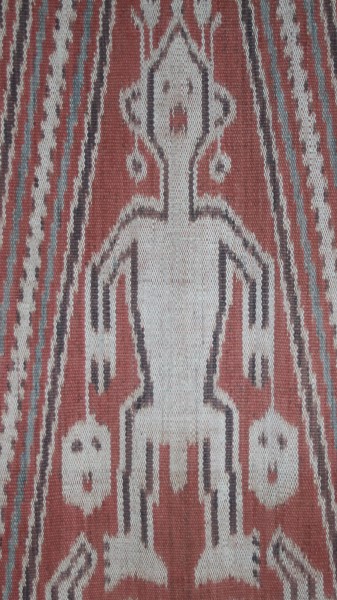
In a dense and very difficult to read piece, this article argues the pua kumbu is more than decoration but a sacred fabric that shapes community life, reinforces social bonds, and connects people with the spiritual world. It shows how beauty in Iban culture is about moral responsibility and not just visual beauty. Journal of Ethnic and Diversity Studies Volume 4, Issue 1(Summarised by AI)
Edible Moths
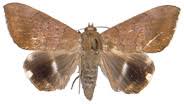
Lelamas (Achaea serva and Lymantria brotea) are edible moths traditionally consumed by the Melanau and Iban communities in central Sarawak, Malaysian Borneo. Previously, their species identities have been undocumented. https://doi.org/10.1163/23524588-bja10435
Kelabit
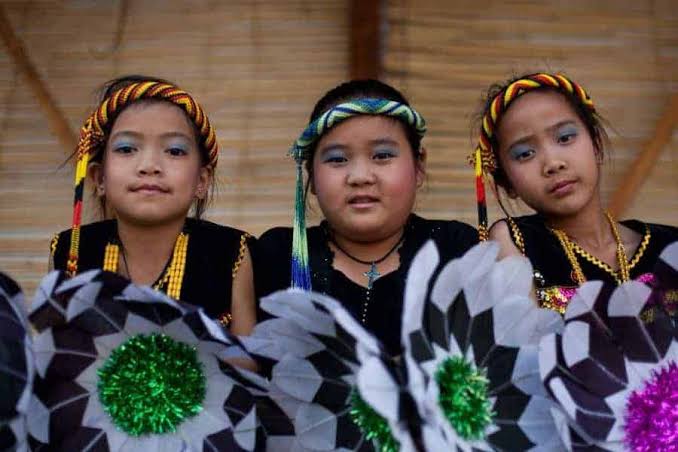
· This article details an oral history of the Kelabit, which describes the movement of people across the once-porous Kalimantan/Sarawak border, where, seeking fertile rice lands and fleeing headhunting, life under the Brooke administration and then conversion to Christianity. 10.1353/ras.2026.a994312
Tujulapan Block
In geology speak, a block is a large mass of rocks that has been separated from the earth’s crust. This block, located in central Kalimatan and just recently discovered, consists mainly of volcanic stones. It is like other blocks in the area. This information could provide data about harvesting minerals. https://doi.org/10.4028/p-ABzM9l
Traditional Burials in Sabah and Sarawak
This study explores different burial methods, including jar burials, wooden coffins, and megalithic stone graves, and how these traditions have evolved over time due to modernization, the spread of new religions, and globalization. The findings reveal that moving burial artefacts from their original sacred contexts into museums transforms their meaning—shifting from objects of spiritual significance to items of educational and aesthetic display. Asian Journal of Environment, History and Heritage 10(1)-(2026): 217-231
Chinese Migration
This paper examines the historical migration and settlement of Chinese communities in Sampadi, Sarawak, focusing on how distinct dialect groups—Hakka, Teochew, and Lei Chou—integrated with local Dayak populations. Drawing upon oral histories, archival sources such as the Sarawak Gazette, genealogical records, and ethnographic observations, the study reconstructs the processes through which migrants adapted economically and culturally within a colonial frontier zone.
Jurnal of Borneo-Kalimatan vol 12 no. 1 2026
Compiled by Tom McLaughlin for BorneoHistory.net