
All Creatures #83
Sandakan Land Use Change
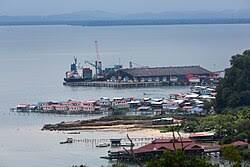
Between 2000 and 2020, land use in Sandakan increased by 17.4% for urbanisation, while vegetation and agricultural land use decreased by 8.5%.https://doi.org/10.1016/j.rsase.2026.102046
St. James Church, Kampong Quop, Sarawak
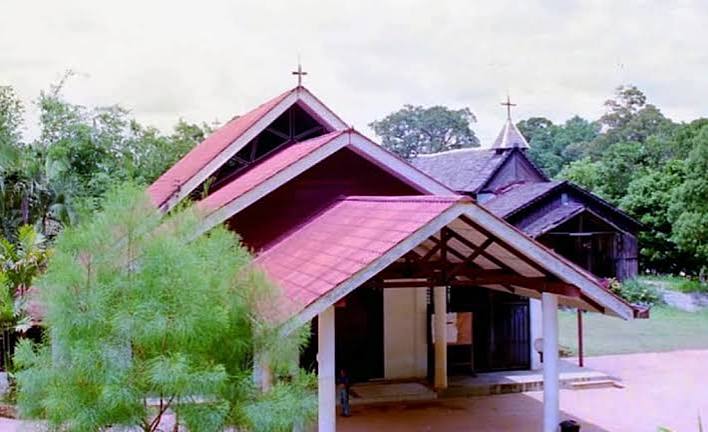
This church was built in 1865, and this study aimed to investigate the architectural and historical significance of the structure. DOI: https://doi.org/10.47772/IJRISS.2026.10200331
New Book
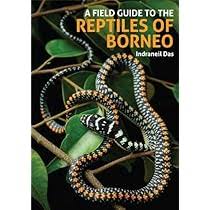
A Field Guide to the Reptiles of Borneo, by our own Indraneil Das and published by the prestigious Princeton University, is now available. Structured with meticulous attention to detail and richly illustrated, the book is ideal for field and library use. It opens with an extended introduction that situates Borneo’s reptiles within the island’s geological history, equatorial climate, and diverse ecosystems—from peat swamps and lowland dipterocarp forests to montane cloud forests. This ecological and biogeographic framing clarifies the origins, distribution, and adaptive radiation of the island’s reptiles.
New Species
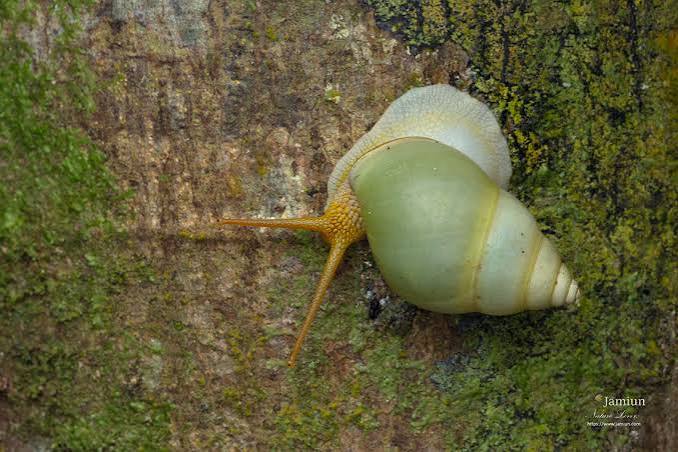
Thirteen new species of land snails, plus a new genus, were erected in discoveries made from private collections while compiling a book “Handbook of Sarawak Land Snails” doi: 10.3897/BDJ.14.e188155
Bats and Durian Orchards
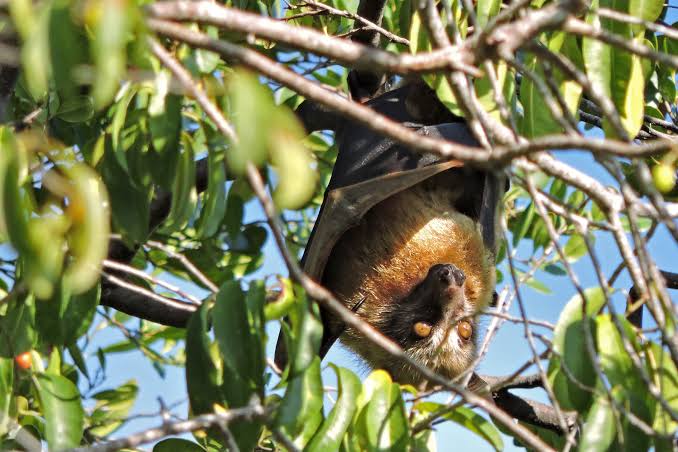
This study showed that durian orchards can serve as an important habitat for a wide range of bat species, including important pollinators, seed dispersers, and species of conservation interest. DOI: https://doi.org/10.47836/pjtas.49.2.21
Orangutan

A Swiss group recently researched the mDNA(genetics) of the orangutan in both Sumatra and Borneo. They found there were four genetic groups in Sumatra and six genetic groups on Borneo. One Borneo group (P. p. morio) could be further divided into four very different subgroups with each sub group separated by rivers. In another finding, the orangutans in Sarawak are very closely related to the Kinabatangan population, suggesting they had spent time with them during the last ice age. https://doi.org/10.22541/authorea.15003214/v1
Borneo Climate Zones
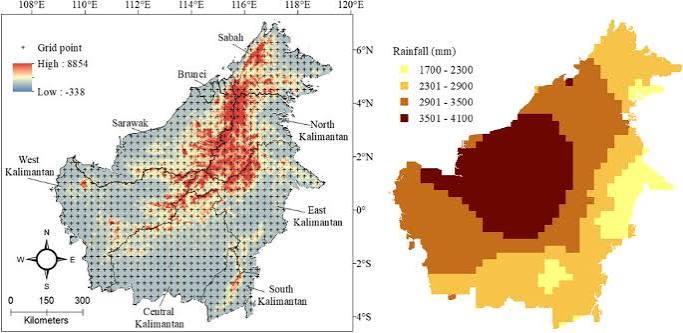
There are five new climate zones proposed for Borneo using a combination of computer programs. DTR is the difference between the highest and lowest temperatures. They are central north, which is the coolest and wettest with the highest DTR, the east and south zones, which are the hottest with variable DTR, while the northeast showed the most pronounced seasonal and temperature variation, while the West was marked by high rainfall and moderate difference between high and low temperatures and relative humidity https://doi.org/10.1002/joc.70420.
Bornean Earless Monitor Lizard
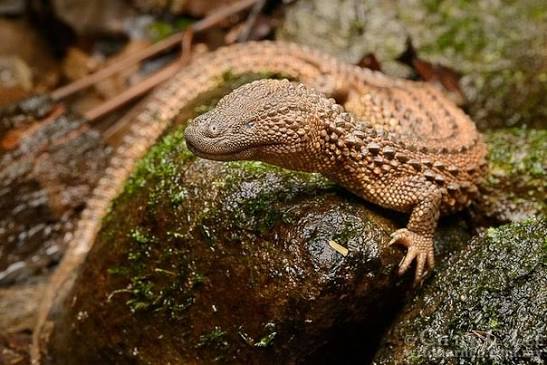
This rare Bornean endemic has only been found, so far, in the coastal lowlands of Sarawak, North Kalimantan and West Kalimantan. Here we document the northernmost record of the Bornean Earless Monitor Lizard, Lanthanotus borneensis. The specimen was found 185 km northeast of the nearest record (Niah Caves, Sarawak), and it is the first record of its occurrence in Brunei Darussalam. DOI: https://doi.org/10.51200/jtbc.v23i.6834
Bark and Ambrosia Beetles
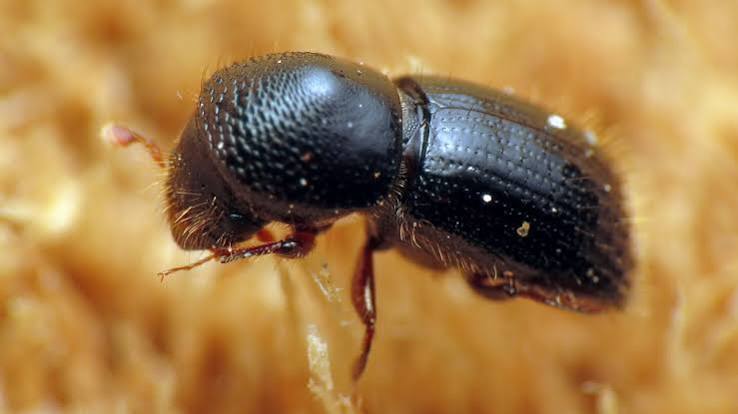
This paper challenges the idea that insect behaviour in the tropics is random, unlike in northern zones, where insects follow the seasons. Rather, these insects’ behaviour fluctuates in cycles. These cycles include the insects own life cycle, climate such as monsoon seasons and events that happened before that continue to have an effect on the population. For example, if a tree falls in the forest several months ago, then that fallen tree will provide additional food, causing the population to increase for the months to come. I have a copy. Just ask.
Primates in Tanjong Datu National Park
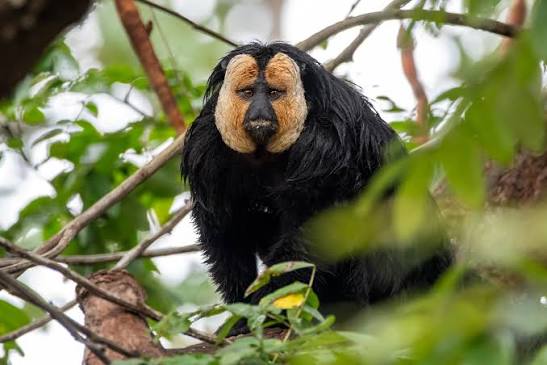
Eight species from four families were recorded in Tanjong Datu National Park. They include long-tailed macaque, silvered leaf monkey, Bornean banded langur, pig-tailed macaque, Philippine slow loris, western tarsier, western grey gibbon and proboscis monkey. A key finding of this study is the presence of the critically endangered Borneo banded languar at all surveyed sites. https://doi.org/10.3897/BDJ.14.e159957
Tree Shrews and Pitcher Plants
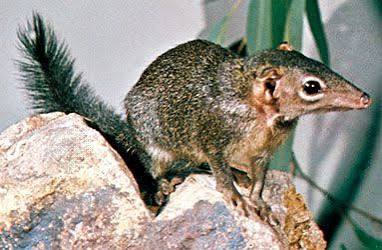
In the highlands of Borneo, there are not enough insects to fall into the pitcher of the pitcher plant to provide the needed nutrients. Three species of plants have evolved a unique system whereby the underside of the lids is coated with a nectar. When the shrews lick off the nectar there bums are over the opening. When they defecate, their nutrients fall into the barrel of the plant, providing both nitrogen and phosphorous. When You Gotta Go! Science Stories blog May 4,2026
New Species
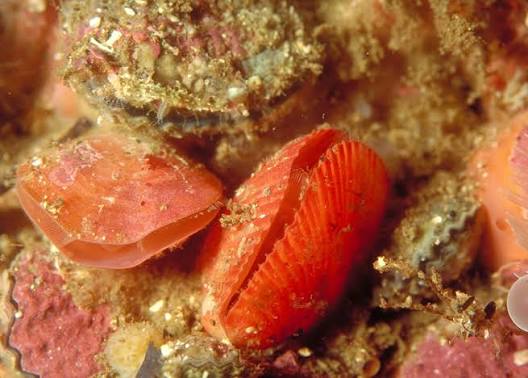
A new species of lamp shells, Brachiopod, has been discovered in the shallow waters of the South China Sea off of Borneo. https://doi.org/10.5252/zoosystema2026v48a12. http://zoosystema.com/48/12
New Species
Three new species of mites have been made known to science, one from Sarawak, one from Malaysia and one from Sumatra. DOI: 10.3897/zookeys. 1280.188887
New Book
Enriching Iban Pua Kumbu by Welyne Jeffery Jehome is now available from Springer. This book examines the ceremonial cloths long associated with the Iban people of Sarawak. Outrageously priced at US$139
New Compound
A new compound has been isolated from the bark of the Calophyllum lanigerum var. austroceriaceum tree. The tree grows in Borneo and produces a compound useful in the treatment of HIV.
New Species
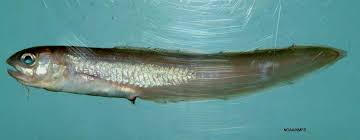
A new cusk eel has been made known to the western world from the South China Sea off of Borneo. https://doi.org/10.1007/s10228-026-01072-z
Borneo Sumatra Rhinoceros
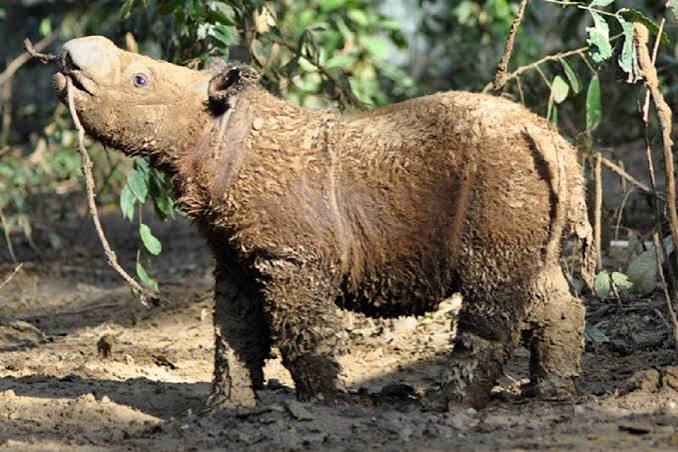
The Sumatra and Borneo Rhinoceros have been genetically isolated for thousands of years, when the ice melted and separated Borneo from Sumatra. A recent study shows the Borneo rhino’s head is smaller than the Sumatran rhino’s head, and the Sumatran rhino has a slightly pointer head. 10.1016/j.jcz.2026.05.009
Songbirds and the depleting tropical rainforest
A study was made of songbirds and their genes in a logged tropical rain forest. The results showed a high level of inbreeding. Researchers also found “Our findings raise concerns about silent population-genetic processes” which means there may be changes occurring within the songbird population we are not yet aware and will probably show up later. Silent erosion: impact of forest logging on genetic diversity in tropical 1 understorey birds Oxford University Press
New Species
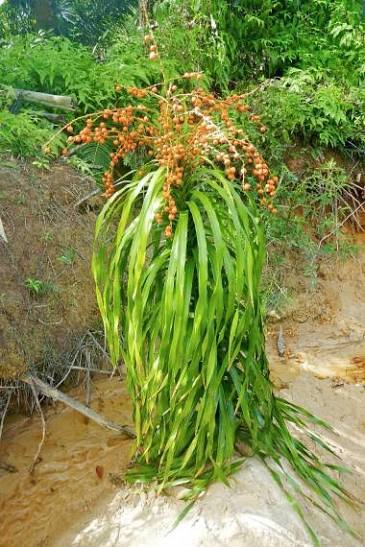
Thirteen new species of the plant Dracaena have been described from Borneo. Some of the common names include the corn plant, dragon tree and gold dust plant.
Fungi
There are fungi that attacks insects through the outer skin and kill them. With a focus on Borneo, this article tells you everything you could possibly want to know about these critters. 10.1007/978-981-97-5991-0_8. I also have a copy and will gladly forward it to you
Near-Extinct Fish
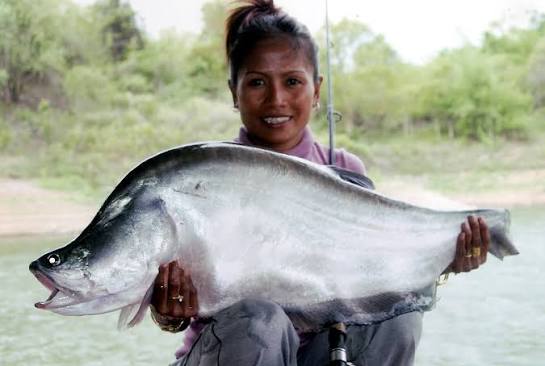
· Giant featherback (Chitala lopis) is an ancient species of freshwater fish considered globally extinct until extant populations were rediscovered in the Sundaland region of Indonesia in 2022. Researchers are learning how to tell male and female fish apart and whether there are genetic differences between the fish found in different river systems. They have determined there are two species which evolved from one ancestor: those from central and south Borneo and those from west Borneo. DOI: 10.1111/jfb.70510
New Species
Ripiphoridae is a parasitoid beetle family with over 400 species. A new species has been found in Sabah. https://doi.org/10.5281/zenodo.20698979
Compiled by Tom McLaughlin for BorneoHistory.net