
All Creatures #83
New Species
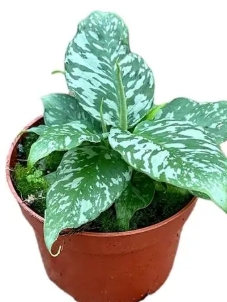
Two new species of plants in the schismatoglottidae family have been made known to science from north Borneo. https://doi.org/10.1002/fedr.70075
Colonial Photography of the Ngepan Iban

This article describes the various images housed in museums around the world of these people from Saribas. Go to the article and scroll through to see the images. DOI: 10.20495/seas.26010
The Penan: Where did they come from?
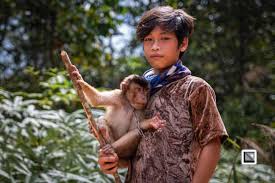
The Penan are a group of people who are hunters and gathers in Borneo. This article examines the genes of three Penan groups: Batu, Tubu and Apat. The research shows they share very old genetic roots dating back at least 7,500 years. The genes suggest they are of Austronesian origin, people who migrated out of Taiwan. They did not mix with other groups who came from mainland Southeast Asia and who brought farming with them. https://doi.org/10.17863/CAM.101972.
Genes and North Borneo People
This research shows indigenous people(Semang) in Malaya have a link to the Andamanese people while the North Borneo group show a definite link to the Austronesians. There is a distinct difference in the genes of the indigenous peoples and the Malays. The order of arrival seems to be the Semang at ~10,000 years ago, the north Borneo natives ~7600-6800 years ago with the Malays arriving much later. This indicates successive waves of migration. https://doi.org/10.1111/ahg.70036Digital Object Identifier (DOI)
New Species
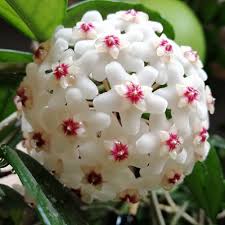
A new species of Hoya (Hoya bukitrayaensis), commonly known as the wax plant, a climbing plant species, was made known to science from central Kalimatan. doi:10.7751/telopea21636
Differences in border communities

The differences in border communities between Indonesia and Malaysia indicates that Indonesian border communities experience a dual identity, marked by both symbolic loyalty to Indonesia and a realistic attachment to Sarawak, Malaysia. Economic disparities between the two countries, especially in access to infrastructure, education, and labour markets, have heightened social dependency on Malaysia and eroded Indonesia’s national identity. However, cultural differences like those between dayaks and muslims differentiate , rather than unite the two countries. DOI: https://doi.org/10.21831/jc.v23i1.91234
Chinese Dialects

The chapter in this book entitled ” Chinese Dialect Groups in Malaysia” in the book “Falling Leaves”by Mah relates the history of the Fu Chow, Hokkien, Hakka and Cantonese dialects on Borneo. Uniquely, it informs of the shift to Mandarin and tells of” language shame” among the Chinese.
Orangutan
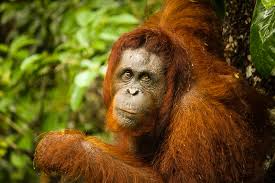
This study tells of how orangutan move on the ground with regard to hand and foot positions. The study show wild orangutans move on the ground in ways that are uneven, irregular and different from one individual to another. They are very flexible in how they move. There front and back limbs work independently but the left and right sides of their bodies move independently also. American Journal of Biological Anthropology, 2026; 189:e70245 https://doi.org/10.1002/ajpa.70245
Lemon Basil
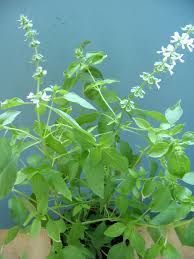
Bawing or Lemon basil has mystical properties among the Bajau, Bisaya, Dusun, and Murut ethnics in Sabah. It is mainly considered a culinary herb for domestic use however it is also considered a soul calmer highlighting it cooling and calming spiritual properties. The plant is believed to safeguard the household from evil spirits and to shield the individual from harmful supernatural forces. The bawing plant (leaves, seeds, stems or flowers) is normally prepared by boiling, burning or infusing it in water and sometimes it is combined with other herbs such as lime, lemongrass, betel leaf etc to purify and protect homes especially new houses, newborns, women in confinement (berpantang), or the sick and the recovering individuals. DOI: https://doi.org/10.47772/IJRISS.2026.100300304
Ants
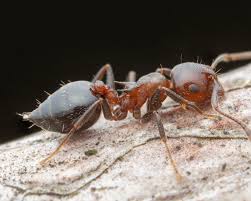
Acrobat (Crematogaster) ants protect the Macaranga tree (fast growing trees and shrubs usually the first to occupy a cleared area in the tropics) hosts from herbivorous insects. In return they are provided with nutrition in the form of food bodies, as well as nesting space inside the empty or easily hollowed-out stems. It has been learned that cavity nesting wasp hollows out Macaranga stems and feeds its larva adult flies. These wasps have never before been reported as inhabitants of hollowed out Macaranga stems. https://doi.org/10.7717/peerj.20984
New Species
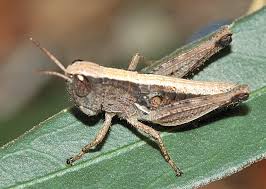
Two new species of the wingless pygmy grasshopper have been noted from Borneo. DOI: 10.11646/ZOOTAXA.5796.1.3
PROTECTED BIRD SITE
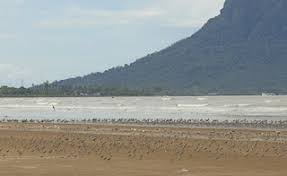
The coastline of Malaysian Borneo, especially Bako Buntal Bay, remains the most important known non-breeding ground for migratory shorebirds in Borneo. Bako Buntal Bay is a nonbreeding site in Malaysian Borneo for approximately 30,000 migratory shorebirds of over 40 species. Our tracking data from 21 shorebirds of four species (far eastern curlew Numenius madagascariensis, bar-tailed godwit, Limosa lapponica, common redshank Tringa totanus, terek sandpiper Xenus cinereus) revealed that home ranges and core areas varied across species, with variations in habitat preferences across the tidal cycle. https://doi.org/10.1016/j.biocon.2026.111862
Bornean Treepie
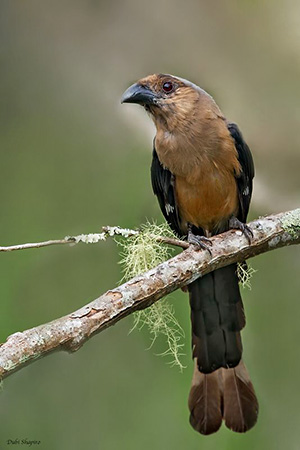
We describe a nest of the Bornean Treepie at Paya Maga Highlands, Sarawak, Malaysia 10-Nesting-of-Bornean-Treepie-Mar-2026.pdf
Sumatran Rhinoceros
An image of a Sumatran Rhinoceros was taken 15 years ago during a survey of the mammals of Sungei Ingei in Brunei. The picture nor the sighting was publicized for fear the animal could be poached. No further information has been discovered about the animal since the image was taken by camera trap in 2012. 10.62613/mnj.26781.01
Fungus
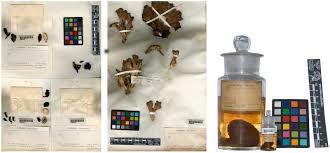
The fungal collection of Odoaro Beccari acquired from 1865-1878 in the Sarawak region has been revised. 153 fungal specimens have been catalogued. https://doi.org/10.3390/d18050251
First Sultan of Sambas

A study of the manuscript Silsilah Sultan-sultan Sambas which explains the transfer of Sambas from being a Kingdom to an Islamic Sultanate and the lineage of the first Sultan is explained. The manuscript covers the time period from about 1631 and the successors of the royal lineage. I have a copy. Just ask.
New Species
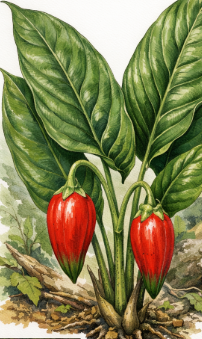
A new plant species of the genus Tweeddalea (Araceae), Tweeddalea capsiciformis, is described and illustrated from West Kalimantan, Indonesian Borneo. This plant does not yet have a common name as its found exclusively on Borneo with now 15 species. https://doi.org/10.1007/s12228-026-09883-0
Bidayuh Language
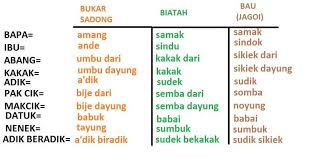
When I ask a person who states they are Bidayuh which group they belong to I usually give them a choice from the following groups from the Bidayuh language: Bidayuh Serian, Bidayuh Bau, Bidayuh Padawan and Bidayuh Biatah. The four groupings cannot understand each other. From this information, I can get a general idea from where they are from on Borneo. Besides it impresses the hell out of them that a white guy would even know the differences. This study reassesses the vitality of the Bidayuh language of Sarawak, Malaysia, based on survey responses from 467 Bidayuh respondents. The study confirms that Bidayuh is threatened, as most of the children no longer speak the language. Journal of the Southeast Asian Linguistics Society JSEALS 19.1 (2026): 30–56
New Species
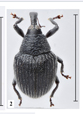
A new species, of snout beetle of the Weevil family, Sphinxis reshetnikovi Legalov, sp. nov. from Borneo (Indonesia: South Kalimantan Province) has been made known to science. DOI: 10.12976/JIB/2026.83.2.3
Kempas and Indian Mahogany
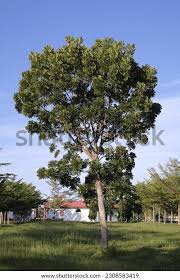
Indian Mahogany Tree pictured
These two trees are often used by the Ibans in their carvings. Other woods used are Belian wood which is used for carving statutes and building longhouses. Menggris is used for large chairs and other objects. DOI:10.15376/biores.21.3.5727-5728
Compiled by Tom McLaughli for BorneoHistory.net