
All Creatures #81
Betta on Banka
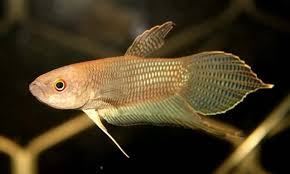
A study on three species of Siamese Fighting Fish on the island of Banka in Indonesia indicates they grow longer faster than they gain weight. They also are also genetically very closely related. This information will provide a basis for further studies on the fish. Helmizuryani, H., R. P. Sari, et al. “Beyond the Beauty: Meristic and Genomic Signatures of Bangka’s Endemic Betta Fishes.” F1000Research, vol. 13, 2024, version 1, peer review pending.
Ants
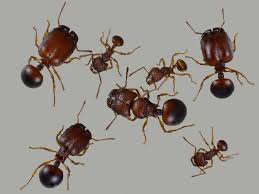
This study investigates the long-term impacts of forest fragmentation and land-use change on ant communities in the Bornean tropical rainforest. Canopy ants showed a mark decline in numbers while leaf litter ants showed a marked increase. https://doi.org/10.17576/serangga-2025-3003-03
Frog Claws
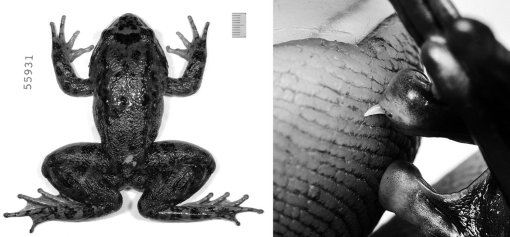
Some species of frogs have bone like structures that extend from their claws. These claws can extend and retract much like a cats. Previously known only in some African Frogs, one in Borneo has been discovered at Gunung Mulu National Park. https://doi.org/10.5358/hsj.45.114
New Species
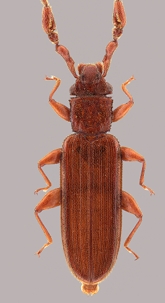
A new species of beetle has been made known to science from Sabah. You can spot this species because the males have antenna with unusual shapes. https://doi.org/10.1016/j.japb.2026.02.003
Mosquitoes which feed on frog blood.
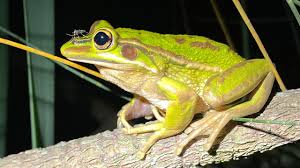
Apparently, there are mosquitoes which feed on the blood of frogs. This article summarizes the current knowledge of the field across the Orient including Brunei. doi: 10.1111/ens.70004
Oil and Sarawak
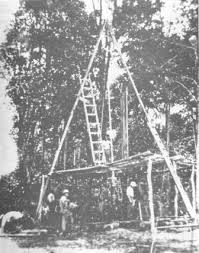
Tackling the issue from a legal standpoint, this article discusses the law from a Sarawak standpoint. [2025] CLJU(A) li Ling, H. C. (2025). Sarawak’s Oil Mining Ordinance 1958: An existential indeterminacy? Academia.edu. . Retrieved from https://www.academia.edu (no DOI available)
Pollution on the Sematan – Seraytan River
Heavy concentrations of arsenic are embedded in the sediments of the Sematan river system in Sarawak according to samples taken at various locations along the river. Most of the concentrations are in areas where there is human activity such as mining. doi: 10.1007/s10661-026-15110-w
Song Bird Conservation
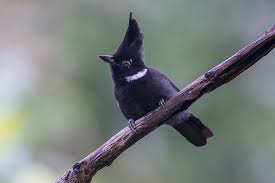
Asian song birds are often featured in competitions. To train the song bird, a bird is captured from the forest and placed in a cage next to the bird who will be in the competition. It is hoped the song bird will mimic the captured caged bird. These “Master Birds” as they are called are captured from the forest and sold to those who train birds who compete. One of the species is the Crested Jayshrike is often caught and used as Master Birds. Because of this practice, the Crested Jayshrike, valued for its superior singing abilities and piercing song, can fetch around US$110 per bird. Now, because of the high price and demand, the Crested Jayshrike faces extinction. https://doi.org/10.1002/inc3.70070
Liberica Coffee

Sarawak’s climate can barely tolerate the growth of Liberica coffee. Small shifts in rainfall or other disruptions of the weather, like those that can be caused by global warming, can have a disastrous effect on the crop. https://doi.org/10.1002/ppp3.70183
New Species
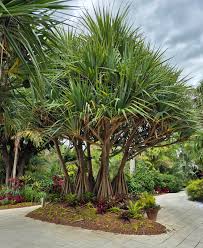
Two new species of plants called screw pines (Pandanus Subg. Rykia Sect. Rykia (Pandanaceae)have been made known to science from Lundu Sarawak Borneo. DOI: https://doi.org/10.47836/pjtas.49.1.06
History of a Coffee Farm
The development of a coffee farm in Ulu Baram, upper Baram River Sarawak River is explored. Jurnal Borneo – Kalimantan Vol. 11 (2) 2025
New Species
Five new species of beetle (coleptera scarabaeidae aphodiinae) with one from Borneo have been made known to science. DOI: 10.11646/zootaxa.5768.4.4
Forest and Oil Palm Estate Critters
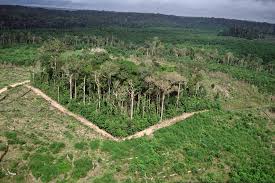
This essay describes the medium to large mammals living in a forest fragments which border an oil palm estate in Sarawak Borneo. Fewer mammals were found in oil plantations as opposed to the edge or in the forest fragments. https://doi.org/10.1007/s10531-026-03304-0
New Species
A new species of” tropical aroid” or “ornamental foliage plants” (Schismatoglottis) has been made known to science from central Sarawak. https://doi.org/10.1002/fedr.70063
Eastern Penan

This essay describes the settled Eastern Penan as retaining some of the old hunter and gathering ways such as how they interact with each other, cooking and other social activities as well as thinking about the old days. DOI: 10.22452/jml.vol30no1.1
Crucifix Crab
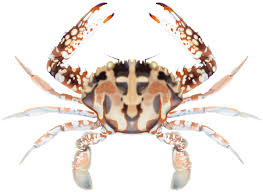
The crucifix crab, Charybdis feriata, is a commercially valuable species distributed across the Indo-Pacific and known for its distinctive white shell covering. It thrives in various habitats and can grow up to 1kg. However, it is vulnerable to parasitic infections, particularly rhizocephalan barnacles, which cause sterilization, stunted growth, and behavioral changes. This case documents the first case rhizocephalan barnacles infection in Sabah. Egyptian Journal of Aquatic Biology & Fisheries Vol. 30(2): 567 – 574 (2026)
New Species
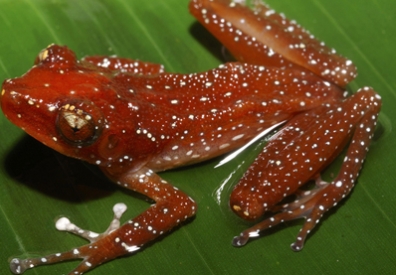
A new species of frog has been made known to science from Sarawak. DOI: 10.11646/zootaxa.5777.2.4
Sabah Locals
The indigenous peoples, as opposed to the Chinese and the Malay communities, were left behind in the economic development of Sabah. This paper argues that peoples who were exposed very early to trade with Malays, Chinese and Europeans had a distinct advantage over those who resided deep in the hinterland. Another reason is the people only grew enough food or collected enough forest products for themselves and did not participate in trade. When trade became available, they slowly adopted the capitalist system.
DOI: https://doi.org/10.51200/manu.v36i2.6823
Earthquakes and Sabah
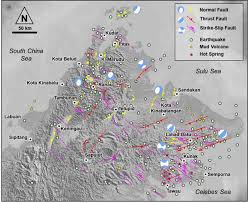
There are two areas in Sabah that are earthquake active. The first is the area around Mt. Kinabalu and the second is offshore in the Baram Delta. This study aims to produce a refined earthquake catalogue for Sabah. https://doi.org/10.5194/egusphere-egu26-11466
Tom McLaughlin for BorneoHistory.net